
Slingshot
Strategic self-disruption for the AI era.
Every large company knows it needs to adapt to AI. Most have tried. And most have gotten stuck in the same predictable pattern: pilot programs that stall, IT departments that gatekeep, and transformation roadmaps that amount to bolting a chatbot onto legacy systems. The conventional response, hire consultants, launch an innovation lab, fund an internal accelerator, has a well-documented track record of failure. These initiatives fail not because the ideas are bad, but because the organizational immune system kills them. Internal innovation threatens existing power structures, and the people whose authority is threatened have every incentive to slow it down, water it down, or absorb it back into the machine.

Project Slingshot takes a fundamentally different approach. Instead of trying to fix the organization from within, it goes around the organization entirely. The methodology helps a company's board of directors stand up a separate, independent, AI-native entity, a direct competitor to the parent company, staffed by the parent's own frustrated domain experts, built from scratch with AI at the center, and designed to compete in the open market without restrictions. The parent company funds the entity. The parent company owns the entity. If the new entity succeeds, the parent's shareholders win regardless of outcome.
The core thesis is simple: if disruption is inevitable, it is better to be disrupted by something you own than by something you do not. This is not an innovation lab, an internal startup program, or a corporate venture fund. The new entity is a real, legally independent company with its own brand, its own workspace, its own technology stack, and full autonomy over what it builds and who it sells to. It operates in stealth, no one in the market knows the parent is behind it. It competes openly, including against the parent itself, with no artificial restrictions.
- Board-level engagement, Work directly with boards ready to act, bypassing organizational resistance.
- Talent-first approach, Identify frustrated domain experts inside the company who already know what needs to change.
- AI-native from day one, Build new entities with AI at the center, not retrofitted onto legacy systems.
- Real market competition, The new entity competes openly, including against the parent, creating authentic competitive pressure.
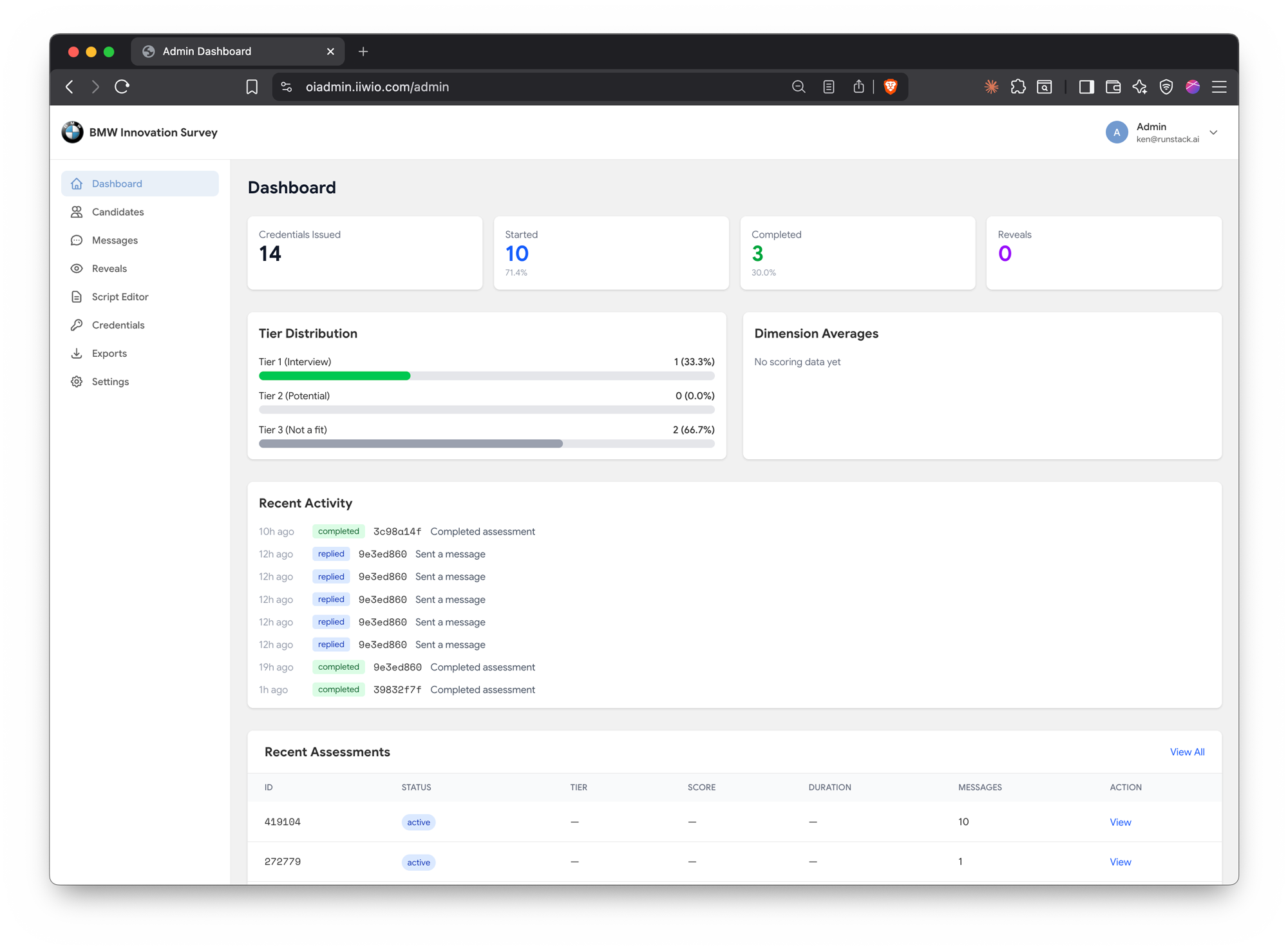
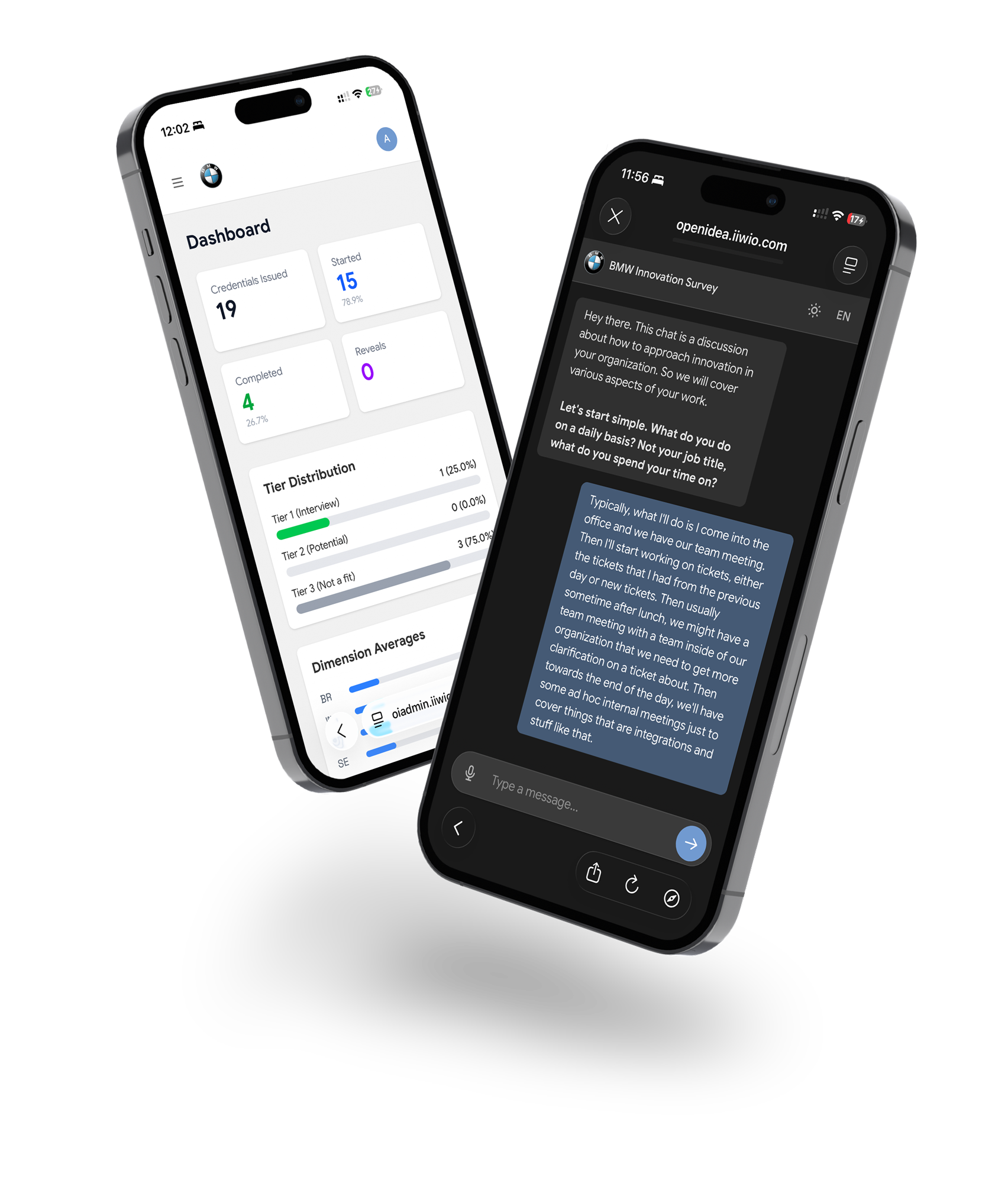
The engagement unfolds across seven phases over approximately twelve months. It begins with a paid discovery phase: an in-depth assessment of organizational readiness, including board commitment, internal politics, and talent identification through a company-wide survey designed to surface frustrated domain experts. If the board votes to proceed, the entity is created and funded before any talent is approached. Team members are furloughed from the parent, not resigned, which preserves a safety net and lowers the barrier to saying yes. The team begins building real product immediately, with AI serving as both the product and the workforce, enabling a small team to operate with the output of a much larger organization.
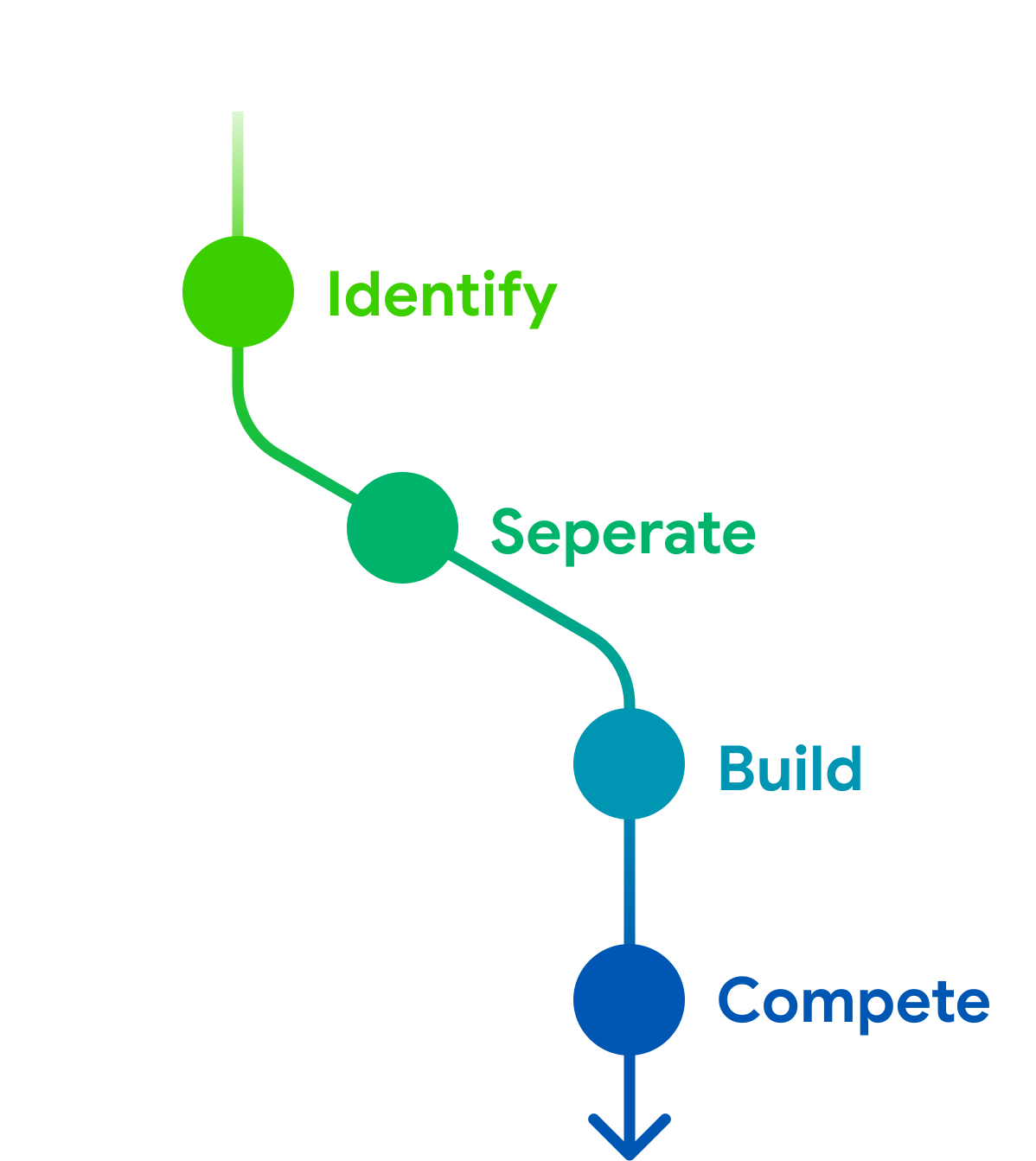
Both possible outcomes represent a win for the parent's shareholders. In the first scenario, the parent acquires the entity back, the entity has proven a better model, and integration modernizes the parent from the inside. In the second scenario, the entity remains independent and continues to grow, with the parent benefiting from equity appreciation. The competitive pressure the entity creates on the parent is not a side effect, it is the primary mechanism. Nothing motivates an incumbent to change faster than losing real customers to a real competitor.
The model succeeds where innovation labs and transformation programs have failed because it addresses root causes, not symptoms. It removes political interference by operating outside the organization's power structure. It solves the talent problem by recruiting people who already have domain expertise and frustration. It solves the speed problem through AI-first design. And it solves the commitment problem by requiring binding board resolutions and fully funded entities before anyone is asked to take a risk.